Table of Contents
Challenges of cloud scalability
Scaling your cloud environment sounds simple, but it often trips up even the savviest teams. At Rabata, we’ve seen firsthand how what looks like a smooth cloud ride can turn bumpy - especially when your in-house expertise isn’t quite there yet.
Many companies rush into the cloud space expecting their provider to handle every little detail. The reality? Your cloud service provider doesn’t have a crystal ball into your company’s unique infrastructure, networks, or applications. Without internal experts who truly understand your systems, issues pile up, and that’s when headaches start.
Security - not just the provider’s problem
Security isn’t a game of hot potato where you hope the cloud provider catches every risk. Far too often, breaches happen because organizations assume the provider is in full control. Truth is, some responsibilities fall squarely on your shoulders. Knowing exactly which security layers you manage, which ones your provider manages, and how that balance shifts as you grow is crucial. At Rabata, we emphasize clear security ownership to keep your data fortress impenetrable.
Cost control - it’s more than just a price tag
A scalable cloud setup sounds like a flexible friend but can become a budget headache if you’re unprepared. Long-term contracts often assume steady resource growth peppered with occasional demand spikes. Guess wrong, and your cloud expenses might balloon while your ROI shrinks. And it’s not just the direct cloud fees to watch out for. Hidden costs like staff training, software licenses, or hardware upgrades sneak in more often than you’d expect. Rabata keeps these surprises out of your cloud story.
Vendor lock-in - don’t get stuck in a cloud cage
Moving your cloud environment might feel a bit like moving house. Except some landlords charge you for every box you pack. High exit fees, or egress charges, can trap companies with their providers longer than they want. It pays to read those contracts carefully. At Rabata, we help you keep your cloud options open so you’re not stuck renting cloud space forever.
- Internal cloud support: Ensure your team understands your cloud’s technical ecosystem to avoid surprises.
- Security: Define who protects what clearly, because it’s a team effort between you and your provider.
- Cost control: Account for all expenses including hidden costs like training and upgrades.
- Vendor lock-in: Watch out for hefty fees when switching providers - flexibility is key.
An Overview of Cloud-Based Databases
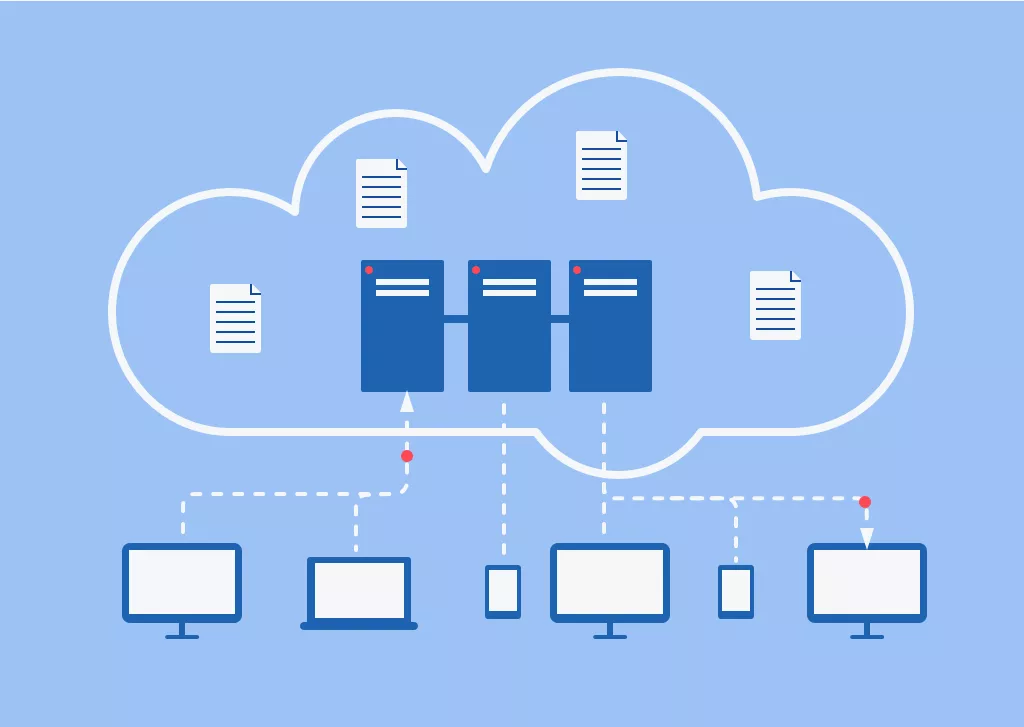
Cloud-based databases are exactly what their name hints at - databases that live in the cloud. Instead of being tied down to a physical server in your office closet or data center, these databases float freely across the internet. This digital freedom brings massive benefits as they tap into the vast resources of cloud providers. The result? Businesses can stretch or shrink their database capacity as easily as adjusting the volume on a radio, perfectly matching their evolving needs without breaking a sweat.
The magic of cloud databases lies in their on-demand nature. Imagine needing more storage or faster processing power just when your app’s popularity spikes - no problem. You simply dial up the resources and scale back when you don’t need them. This flexibility removes the headache of fixed, clunky hardware that could become obsolete or overwhelmed at the worst times.
How Cloud Databases Stack Up Against Traditional Ones
Old-school on-premise databases come with their own set of challenges - hefty upfront costs, constant maintenance, and limited to wherever their hardware sits. Cloud databases flip this script. With a pay-as-you-go model, you only pay for what you actually use. No need to buy a costly server that gathers dust when your workload drops. Plus, cloud databases are accessible from anywhere with internet - goodbye to the shackles of office-bound data management.
Why Choose Cloud-Based Databases? The Perks Explained
- Cost savings and accessibility are just the beginning of the story.
- Scalability is the real game-changer.
- When your datasets balloon, cloud databases can scale up or out without a fuss.
- Horizontal scaling means adding more servers to share the workload.
- Vertical scaling means beefing up a single server’s resources.
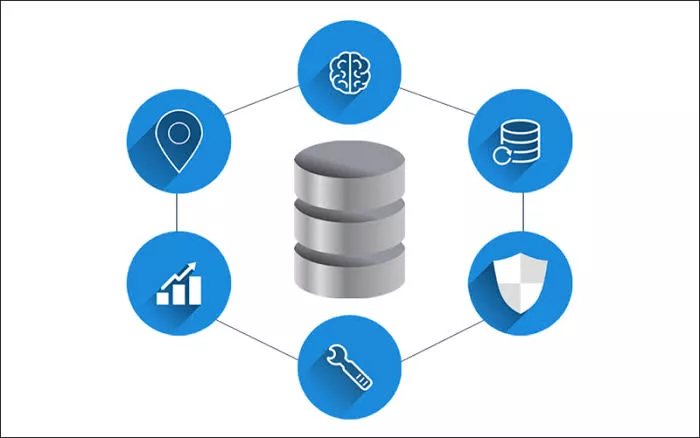
Key Features Powering Scalable Cloud Databases
Horizontal scaling is like having a smart team behind the scenes that adds more players whenever the game gets intense. Instead of relying on one Herculean server, the workload spreads out across multiple machines. This strategy keeps things running smoothly, even when demand spikes unexpectedly.
Auto-scaling takes this concept a step further. It’s the database equivalent of a smart thermostat that detects when it gets cold or hot and adjusts automatically. The database senses workload changes and instantly tweaks resources up or down to keep performance crisp and costs optimal. No manual fiddling, just smooth operation.
Then there’s data partitioning, or sharding. Think of it as slicing a giant cake into manageable pieces stored separately. Each shard lives on its own server, allowing queries to run in parallel without stepping on each other’s toes. This boosts speed and efficiency, especially as data piles up.
Rabata’s secure cloud storage takes full advantage of these features to provide a seamless, powerful, and safe environment for your data. Its infrastructure is designed to grow with your needs, stay accessible from anywhere, and handle bumps in workload without breaking a sweat.
What cloud storage requirements should you consider?
Keeping your company's most important data safe, secure, and ready for action is non-negotiable. When you start thinking about moving your data to the cloud, you need to focus on several key factors that make all the difference between seamless storage and a total headache.
Durability and availability
Cloud storage takes classic data center reliability and cranks it up a notch. Instead of trusting a single device or location, your data gets copied and stored across multiple gadgets and data centers. This way, if one server decides to take a nap, your data still wakes up bright and early, ready to serve.
Security
Knowing exactly where your data lives and who gets to peek at it is critical. With Rabata's cloud storage, you have full control over data location, access permissions, and resource usage, all wrapped up in top-notch encryption - whether your files are resting quietly or zooming through the internet. The best part? The permissions and controls in Rabata’s cloud feel just as familiar and tight as your on-premises setup, but way more flexible.
Types of Cloud Storage Explained
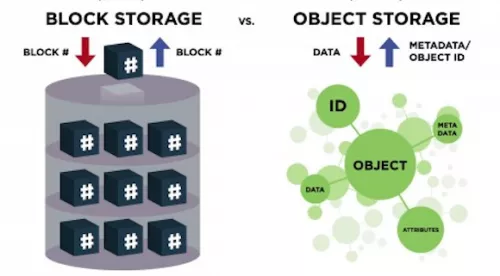
Cloud storage isn’t one-size-fits-all. There are three main types you should know about: object storage, file storage, and block storage. Each one shines in different scenarios and brings its own perks to the table.
Object storage
When the amount of unstructured data like photos, videos, sensor readings, or audio files explodes, finding a storage solution that scales effortlessly, stays affordable, and is easy to manage becomes a priority. That’s where object storage steps in. Instead of forcing data into rigid files or folders, object storage keeps everything as 'objects' - each with customizable metadata. This makes it a breeze to tag, search, and analyze data exactly how you want. Rabata uses secure buckets that can grow virtually without limit, handling huge volumes without breaking a sweat or your budget.
Developers building cloud-native apps love object storage because it offers flexibility and room to grow. It’s perfect not only for fresh projects needing massive scale but also for migrating existing data for backups, archives, or heavy-duty analytics. Thanks to Rabata’s solution, handling sprawling data sets is no longer a headache.
File storage
Some tasks call for a more familiar approach, and that’s where file storage comes in. Picture your usual folder system with files neatly organized inside, easily accessible and understandable. This method works great for many applications and closely resembles traditional network-attached storage, or NAS, servers. It supports common protocols like SMB for Windows and NFS for Linux - both practical, reliable, and straightforward. Rabata’s file storage keeps things simple and compatible, making it a solid choice for workloads that expect the classic file hierarchy.
Block storage
Certain enterprise apps, like databases or ERP systems, demand fast and dedicated storage that feels like it's right inside your own machine. Block storage fits the bill perfectly. Instead of dealing with files or objects, it slices data into tiny blocks, each tagged uniquely for quick fetch and update. Think of it as very fast, direct-attached storage, just in the cloud. This is ideal when low latency and speed are must-haves. Rabata’s block storage offers this responsive performance, making sure your mission-critical apps don’t skip a beat.
AI Revolution October 2025: How AI Agents, Security, and Investment Trends Are Reshaping Software Development
October 2025 didn't just roll in like any other month - it shook up the entire software development scene. Artificial intelligence took center stage, becoming the backbone for how teams dream up, safeguard, and expand their digital projects. No more coding in the dark without smart tools guiding the way.
The latest AI-powered agents are not just assistants; they're partners in creativity and security. They help catch bugs before they crash the party and spot security holes before hackers even think about them. Rabata’s secure cloud storage integrates these cutting-edge AI tools to keep your data protected while boosting your development speed.
Investors are pouring more resources into AI-driven solutions than ever. This flood of capital means faster innovation cycles and better tools for developers. Rabata stays ahead of this curve by offering a secure environment where all your AI-powered workflows sync effortlessly, ensuring you never miss a beat.
Implementation Considerations
Migrating to a Cloud-based Database
Switching from a traditional database to a cloud-based one is like moving to a new apartment. It sounds simple, but the packing, the logistics, and the unpacking can get tricky. Rabata helps smooth out this process, ensuring your data moves safely, with minimal downtime and zero drama.
This migration isn’t just about copying data; it’s about adapting to a new environment that offers flexibility and scalability. You get to ditch the old hardware clutter and embrace a system that grows as your needs grow. Plus, Rabata’s cloud setup means you don't need to be a tech wizard to keep everything running smoothly.
Ensuring Data Security and Compliance
Security isn’t an afterthought here - it’s the main event. With Rabata, your data isn’t just stored; it’s guarded. Think of it as a digital vault with a laser alarm and a secret handshake. We follow all the important rules and regulations, so your data stays compliant, no matter where you operate.
Compliance checks, encryption, permissions - these aren’t just buzzwords. They’re the tools Rabata uses every day to keep your sensitive information locked tight. You can sleep well knowing your data isn’t just safe, but shielded from any sneaky cyber gremlins trying to get in.